YOUR HEALTH · Cervical Health / Cancer Treatment
Pioneering Heat Treatment Doubles Survival for Cervical Cancer Patients
A South African specialist's research shows hyperthermia treatment dramatically improves outcomes and costs less than standard care.

Adding controlled heat to standard treatment doubled five-year survival in the trial.
Ground-breaking South African research published in August 2026 shows that adding modulated electro-hyperthermia, precisely controlled heat therapy, to standard cancer treatment more than doubled the five-year disease-free survival rate for women with locally advanced cervical cancer, rising from 14 percent to 32 percent.
The research was led by Dr Carrie Minnaar, a South African specialist in oncologic hyperthermia, whose doctoral work focused on improving outcomes within the constraints of public healthcare resources. The study also found that patients receiving the combined treatment required fewer subsequent interventions and fewer hospitalisations, resulting in lower overall healthcare costs over three years.
Notably, the treatment was found to be safe and effective for women living with HIV, a group that bears a disproportionate share of South Africa's cervical cancer burden. Dr Minnaar now plans to install six mEHT devices across three public hospitals over three years, subject to funding of approximately R57 million.
What experts say
The treatment works by gently heating the tumour, making cancer cells more vulnerable to standard chemotherapy and radiation, while stimulating the body's immune response to target cancer cells.
What you need to know
- Cervical cancer kills approximately 6 000 South African women annually.
- Late-stage disease has historically had poor survival outcomes.
- This innovation could improve survival while reducing long-term treatment costs.
- Rollout to public hospitals will depend on successful fundraising.
What you can do
Prevention through HPV vaccination and screening remains the priority. If you or someone you know is diagnosed with cervical cancer, ask your treating oncologist whether new treatment options are available or appropriate.
Sources
Every claim on this page is traceable. These are the documents it rests on.
More in YOUR HEALTH
Read next
Nearly 37 000 Western Cape Girls Protected by HPV Vaccine in First Half of 2026
Thousands of Grade 5 girls have received life-saving protection against cervical cancer. Parents are urged to ensure no daughter misses out.
YOUR HEALTH · Prevention & Screening
ReadGauteng Records 29 Percent Surge in Cervical Cancer Screenings
More women are coming forward for life-saving screening. Coverage gaps remain in parts of the province.
YOUR HEALTH · Prevention & Screening
Read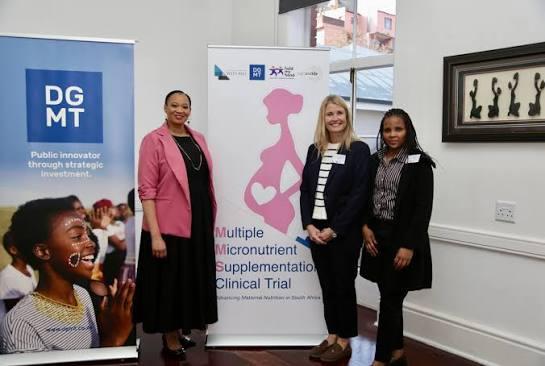
South Africa Launches Landmark Maternal Nutrition Trial
New research could improve pregnancy outcomes nationwide by replacing standard iron and folic acid with a comprehensive multi-nutrient supplement.
YOUR HEALTH · Pregnancy & Postpartum
Read