YOUR HEALTH · Cervical Health / HIV Co-ordination
National Review Highlights Severe Screening Gap Among Women Living with HIV
Nine-year delay before most women living with HIV receive their first cervical screening despite vastly elevated cancer risk.
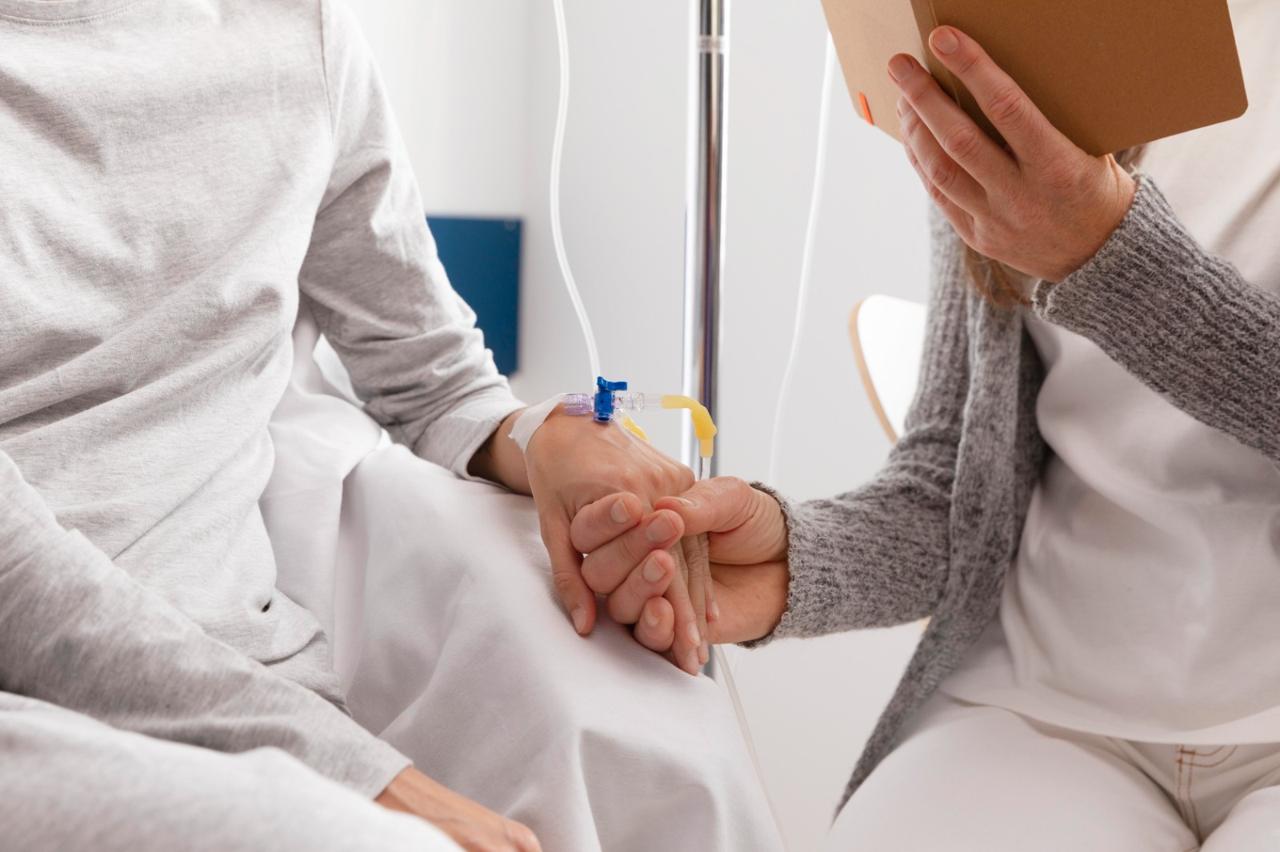
Women living with HIV carry a far higher cervical cancer risk, and far lower screening rates.
Published 21 July 2026 in the International Journal of Women's Health, a major peer-reviewed study reveals that women living with HIV in South Africa carry a 3 to 6 times higher risk of cervical cancer yet the median time from HIV diagnosis to first cervical screening is 9.2 years nationally.
The analysis, conducted by researchers at Sefako Makgatho Health Sciences University, confirms that only 6.1 percent of women living with HIV are screened within three months of entering HIV care, and just 21.4 percent are screened within the recommended three-year window. Nationally, 18.1 percent of all women screened showed abnormal results, rising to 29.1 percent among women living with HIV.
A linked data study by KRISP released 30 July 2026, covering 8.7 million women screened between 2005 and 2023, confirmed the national pattern while noting that the Western Cape achieves three times better early screening uptake due to integrated service design.
Why this matters
South Africa faces a triple burden of HIV, tuberculosis and cervical cancer. Because HIV weakens immune defence, persistent HPV infection progresses to cancer much faster, making timely screening literally life-saving.
What guidelines say
Women living with HIV should be screened every three years, and ideally at the same facility where they collect their medication, eliminating the need for separate visits.
What you can do
If you are living with HIV and have never had a cervical screening test, or your last test was more than three years ago, ask at your HIV clinic: "Can I have my cervical screening done here today?" Integrated screening is national policy. You should not be turned away.
Sources
Every claim on this page is traceable. These are the documents it rests on.
More in YOUR HEALTH
Read next
Nearly 37 000 Western Cape Girls Protected by HPV Vaccine in First Half of 2026
Thousands of Grade 5 girls have received life-saving protection against cervical cancer. Parents are urged to ensure no daughter misses out.
YOUR HEALTH · Prevention & Screening
ReadGauteng Records 29 Percent Surge in Cervical Cancer Screenings
More women are coming forward for life-saving screening. Coverage gaps remain in parts of the province.
YOUR HEALTH · Prevention & Screening
Read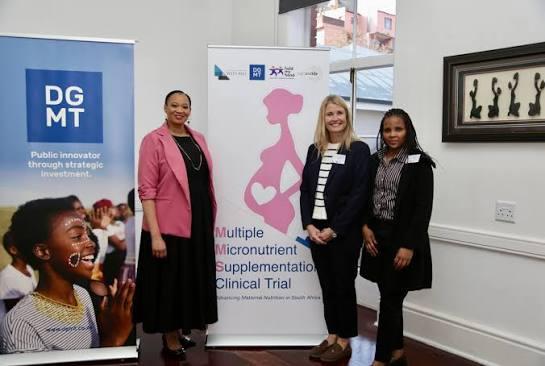
South Africa Launches Landmark Maternal Nutrition Trial
New research could improve pregnancy outcomes nationwide by replacing standard iron and folic acid with a comprehensive multi-nutrient supplement.
YOUR HEALTH · Pregnancy & Postpartum
Read