YOUR HEALTH · Prevention & Screening
Cervical Cancer Is Preventable. Here Is How We Protect Ourselves
It is the leading cause of cancer death among South African women. Yet almost every case can be prevented.
Cervical cancer is the number one cause of cancer deaths among South African women. Every year thousands are diagnosed. Most when the disease is already advanced because early-stage cervical cancer causes no pain. Yet almost every single case is preventable and fully curable if caught early.
How it develops, how to stop it, and how to cure it
- The cause. Nearly all cases stem from Human Papillomavirus, a common virus passed through sexual contact. Women living with HIV face a much higher risk because a weakened immune system makes it harder to clear the virus.
- Prevention. Getting young girls vaccinated against HPV blocks the virus. For adult women regular Pap smears find abnormal cells years before they turn into cancer.
- The cure. When caught early healthcare providers can easily remove damaged cells in a simple clinic procedure. Advanced cases require radiation, chemotherapy, or surgery.
Five things you did not know about cervical cancer
It is not a family curse or witchcraft. It is caused by HPV, a virus most adults contract at some point.
It takes 10 to 20 years to grow. Abnormal cells develop very slowly, giving you years to catch it with a Pap smear.
Condoms help, but do not offer 100 percent protection. HPV spreads through general skin contact in the genital area.
Pap smears only check your cervix. They do not test for womb or ovarian cancer.
You still need tests after menopause. Risk does not disappear as you age.
Where to get screened and get help
- You do not need to wait for symptoms to get checked. Options exist for every budget, location, and preference.
- Public Primary Health Clinics. Go to your local clinic for a free routine Pap smear with the clinic nurse. If abnormal cells are found the nurse will refer you directly to a specialist hospital.
- General Practitioners. Visit your local GP for routine Pap smears and HPV tests. Your GP can investigate early symptoms and refer you directly to a private gynaecologist for advanced care or procedures if needed.
- CANSA Care Centres and Mobile Units. CANSA offers low-cost screenings nationwide. Call 0800 22 66 22 toll-free or visit cansa.org.za to locate a Care Centre or mobile clinic near you.
- Telehealth Services. Connect with a doctor online for advice from home, symptom checks, or referrals for screenings.
Sources
Every claim on this page is traceable. These are the documents it rests on.
- Ubufazi Health Cervical Health Editorial Brief, referencing CANSA screening services
More in YOUR HEALTH
Read next
Nearly 37 000 Western Cape Girls Protected by HPV Vaccine in First Half of 2026
Thousands of Grade 5 girls have received life-saving protection against cervical cancer. Parents are urged to ensure no daughter misses out.
YOUR HEALTH · Prevention & Screening
ReadGauteng Records 29 Percent Surge in Cervical Cancer Screenings
More women are coming forward for life-saving screening. Coverage gaps remain in parts of the province.
YOUR HEALTH · Prevention & Screening
Read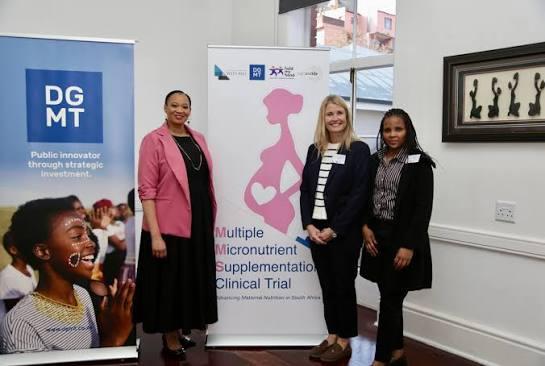
South Africa Launches Landmark Maternal Nutrition Trial
New research could improve pregnancy outcomes nationwide by replacing standard iron and folic acid with a comprehensive multi-nutrient supplement.
YOUR HEALTH · Pregnancy & Postpartum
Read